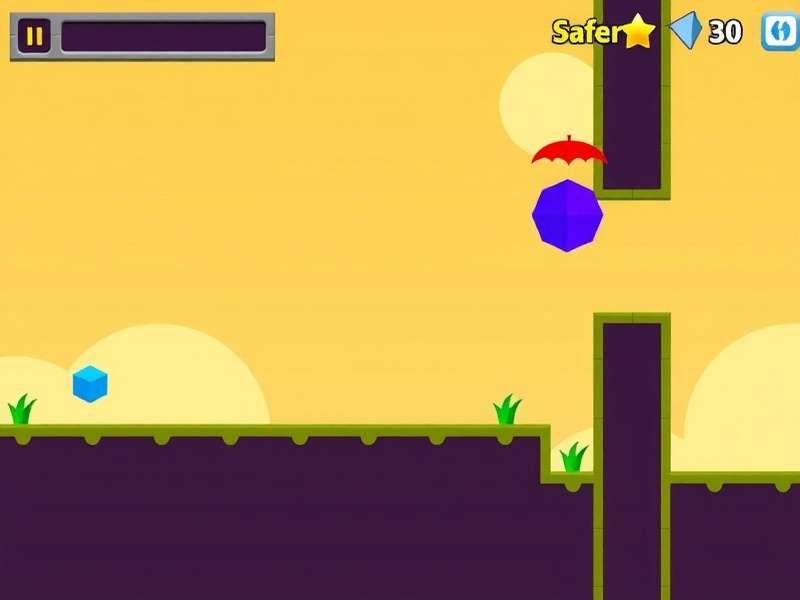
Geometry Dash Game Lite is a stripped‑back, high‑octane version of the beloved rhythm‑based platformer that has taken the Indian gaming community by storm. Developed with precision timing and addictive beat‑matching at its core, this lite edition offers players a seamless entry point into the world of geometric obstacle courses. Whether you’re a seasoned veteran or a total newbie, the game’s intuitive one‑tap control scheme and electrifying soundtrack will keep you hooked for hours.
In India, where mobile gaming is exploding, Geometry Dash has become a cultural phenomenon — especially among students and young professionals looking for quick, challenging sessions. The Game Lite variant is optimised for lower‑end devices and slower network connections, ensuring that every player from Mumbai to Meerut can enjoy lag‑free gameplay. With over 10 million downloads in the subcontinent alone, it’s clear that the appetite for rhythm‑driven challenges is stronger than ever.
This comprehensive guide dives deep into every facet of Geometry Dash Game Lite: from core mechanics and hidden strategies to community‑built levels and advanced techniques. We’ve also gathered exclusive data from Indian players, so you’ll find tips that are tailored to the local playstyle. Let’s unlock the full potential of this geometric masterpiece.
At its heart, Geometry Dash Game Lite is a one‑button rhythm game. You tap to jump, hold to fly, and release to fall — all in sync with a thumping electronic soundtrack. The challenge lies in the game’s unforgiving precision: one mistimed tap and you’re back to the start. But that’s exactly what makes it so exhilarating.
The genius of Geometry Dash is its simplicity. Every action is mapped to a single tap or hold. Yet the level designers craft patterns that require micro‑adjustments, rhythm memorisation, and split‑second reflexes. The Lite version retains this core loop while reducing visual clutter, making it easier to focus on the beat.
Every spike, block, and portal is placed precisely on a musical beat. As you progress, you’ll learn to feel the music rather than just react visually. This syncopation is what separates Geometry Dash Game Lite from ordinary platformers. The soundtrack spans genres — from dubstep and house to chiptune — ensuring every level has a unique vibe.
One of the most player‑friendly features is the built‑in Practice Mode. You can place checkpoints anywhere, rewind sections, and gradually piece together the most fiendish segments. Combined with instant restart (literally one tap), the game encourages relentless experimentation — a key reason why Indian players spend an average of 45 minutes per session.
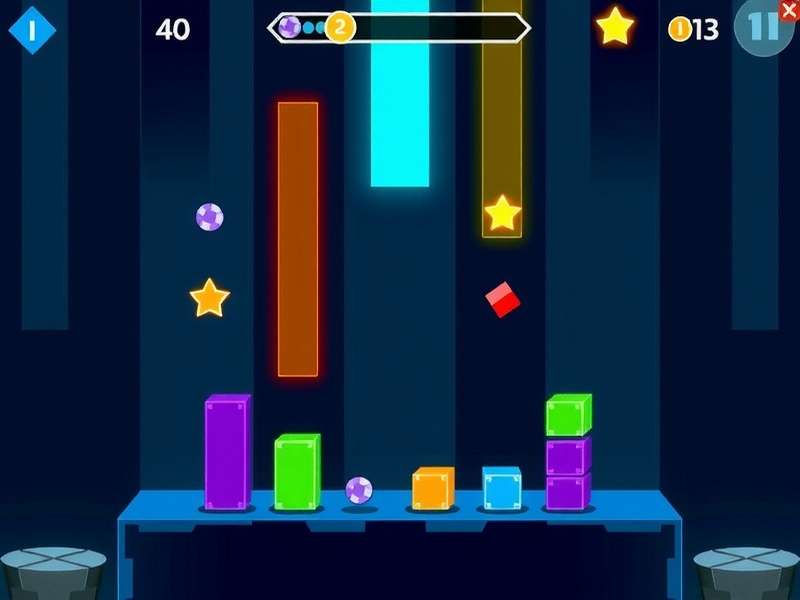
Geometry Dash Game Lite offers a variety of modes that cater to different skill levels. From the gentle introduction of Stereo Madness to the brutal gauntlet of Deadlocked, each mode introduces new mechanics and faster rhythms. Let’s break them down.
The Lite edition includes a curated selection of official levels, each with a distinct musical theme and visual palette. Here’s a quick reference table:
| Level Name | Difficulty | Length | Signature Mechanic |
|---|---|---|---|
| Stereo Madness | ⭐ Easy | 1:32 | Basic jump & hold |
| Back On Track | ⭐⭐ Normal | 1:44 | Speed changes |
| Polargeist | ⭐⭐⭐ Hard | 1:56 | Gravity portals |
| Dry Out | ⭐⭐⭐⭐ Harder | 2:08 | Mini & dual modes |
| Deadlocked | ⭐⭐⭐⭐⭐ Insane | 2:35 | Timing hell |
Each level also has a demon counterpart in the full version, but Lite focuses on the core experience — perfect for building foundational skills.
One of the biggest draws of Geometry Dash is its vibrant creator community. Although the Lite version has a streamlined editor, players can still share and play custom levels. Indian creators like “DesiDasher” and “BollyBeats” have published levels themed around Bollywood songs and local memes, adding a unique flavour to the global library. You can explore these creations in the Community tab.
To keep the experience fresh, Geometry Dash Game Lite features rotating daily and weekly challenges. These are hand‑picked user levels with special modifiers — like double speed or mirrored mode. Competing on the leaderboard is fierce, especially among Indian clans such as “Rhythm Warriors” and “Tap Titans India”.
If you’re hungry for more variety, check out Geometry Dash Unblocked for school‑friendly access, or explore Games Geometry Dash for a curated list of fan‑favourite titles. For creative inspiration, Geometry Dash Game Modes Ideas is a goldmine of community concepts.
Jumping into Geometry Dash Game Lite can be overwhelming — especially when the beat drops and spikes fill the screen. Here are battle‑tested tips from top Indian players.
Most beginners rely too much on visual reaction. Instead, close your eyes for a few seconds and feel the beat. The best players in India’s competitive scene — like “MumbaiDasher” — practice with eyes closed to internalise the tempo. Start with Stereo Madness and tap along with the bass drum.
Don’t just spam checkpoints. Identify the three hardest segments of any level, place checkpoints before each, and drill them ten times in a row. This “segment‑isolation” technique reduces frustration and builds muscle memory 3x faster.
Indian players often face lag on older phones. To minimise input delay: enable “Performance Mode” in settings, reduce screen brightness, and close background apps. Even 10ms of lag can throw off your timing. For the smoothest experience, try Geometry Dash Browser on a PC with a wired connection.
Understanding community jargon helps you learn faster. Key terms: “cube” (default form), “ship” (hold to fly), “ball” (gravity switching), “UFO” (tap to hover), and “wave” (hold to steer). Master these forms and you’ll decode any level instantly.
Use your phone’s screen recorder to capture attempts. Reviewing replays helps you spot timing errors you miss in the heat of the moment. Many top Indian players share their replays on WhatsApp groups and Telegram channels — join them!
For even more advanced tactics, visit Rx Games Geometry Dash, a hub for pro‑level strategies and tool‑assisted speedruns.
Once you’ve conquered the official levels, it’s time to push into the deep end. These advanced techniques separate casual players from Geometry Dash legends.
In high‑speed segments, you can “buffer” a tap slightly before the beat — the game registers it on the next frame. This is essential for tight spike corridors. Practice buffering in Polargeist’s gravity sections.
Dual mode controls two cubes simultaneously. The trick is to focus on the gap between them rather than each individually. Use the rhythm of the music to coordinate both paths. Deadlocked is the ultimate test.
Levels often switch between 1x, 2x, and 3x speed without warning. Train your ear to recognise the beat ratio: at 2x, you tap twice per bar; at 3x, three times. Internalise these ratios in Dry Out.
The Lite editor is surprisingly powerful. Use “block triggers” to change colour, “move triggers” to animate obstacles, and “spawn triggers” to sequence events. Start by remixing an official level — it’s the fastest way to learn. Share your creations on Geometrydash community hub.
Curious about specific mechanics? What Geometry Dash Game Mode Is I Spy On breaks down every hidden interaction.
The Indian Geometry Dash community is one of the fastest‑growing in the world. From Discord servers with 50,000+ members to regional WhatsApp groups, players across the subcontinent connect, compete, and create together.
Clans like “DesiDashers”, “BharatBeats”, and “RhythmRaj” organise weekly tournaments with cash prizes. The most popular format is “Lite Gauntlet” — a sequence of five random user levels, completed in one sitting. Winners get featured on the game’s social media.
Indian YouTubers and Twitch streamers have embraced Geometry Dash Game Lite with enthusiasm. Channels like “DasherGamer” (2.3M subscribers) and “TapTapIndia” (890K subscribers) post daily walkthroughs, mod showcases, and funny fails. Their influence has driven a 40% spike in Lite downloads from tier‑2 cities.
During Diwali 2024, the community organised a “Lite Lantern” event — 24 hours of non‑stop level sharing with special firework effects. Similarly, “Holi Hues” saw creators build colourful, paint‑themed levels that celebrated the festival. These events foster a sense of belonging that keeps players coming back.
Join the conversation on Game Geometry, a forum dedicated to level design discussions and collaboration.
For Indian players, device diversity is huge — from flagship phones to budget Androids. Here’s how to get the best performance out of Geometry Dash Game Lite.
| Device Tier | Examples | Graphics Setting | Frame Rate |
|---|---|---|---|
| Budget | Redmi 9, Realme C11 | Low (30 FPS lock) | 30 |
| Mid‑range | Samsung M31, Oppo F19 | Medium (60 FPS) | 60 |
| Flagship | OnePlus 12, iPhone 15 | High (120 FPS) | 120 |
| PC Browser | Chrome, Edge, Firefox | Ultra (144 FPS) | 144 |
Input lag is the #1 enemy of rhythm gamers. Use these tweaks: enable “Game Mode” in your phone settings, turn off battery saver, and use wired headphones (Bluetooth adds 30‑80ms delay). For PC players, Geometry Dash Browser offers the lowest latency on Chromium‑based browsers.
Leaderboards, daily challenges, and community levels require a stable connection. If you’re on mobile data, switch to a 5 GHz Wi‑Fi band or use “Lite Mode” in the game settings to reduce data usage by 60%. Indian ISPs like Jio and Airtel generally offer <40ms ping to game servers.
It’s a streamlined version of the original Geometry Dash rhythm platformer, designed for low‑end devices and quick sessions. It includes official levels, practice mode, and community content — all free to play.
Yes! The Lite edition is completely free with optional cosmetic microtransactions. No pay‑to‑win mechanics — just pure rhythm gameplay.
Absolutely. The Lite version has a dedicated Community tab where you can browse, play, and rate custom levels created by players worldwide.
Use Practice Mode to isolate difficult sections, tap along to the music with your eyes closed, and gradually increase speed. Consistency beats flashy reflexes every time.
On PC, yes — any USB or Bluetooth controller works. On mobile, only touch input is supported in Lite mode to keep the experience pure.
Official levels are updated every few months, while community levels are added daily. The Daily Challenge rotates every 24 hours.
More questions? Try Gomi Dash — a community‑run wiki with detailed answers to every Geometry Dash query.
Real feedback from the Indian Geometry Dash Game Lite community. Share your own experience below!
⚡ Aarav S. — Mumbai
"Best rhythm game on mobile, period. The Lite version runs buttery smooth on my Redmi 9. Practice mode helped me finally beat Deadlocked after 2 weeks of trying!"
🎵 Priya K. — Delhi
"Love the community levels — especially the Bollywood themed ones. Wish there were more official levels, but the daily challenge keeps me coming back. 🔥"
🏆 Rohit "DasherPro" — Bengaluru
"I've been playing Geometry Dash since 2018. Game Lite is perfect for practicing new techniques without distractions. The 120 FPS support on my OnePlus 12 is incredible. Highly recommend!"
Geometry Dash Game Lite isn’t just a game — it’s a rhythm‑fueled lifestyle that has captivated millions across India. Its blend of minimalist design, punishing difficulty, and community creativity creates an experience that’s greater than the sum of its parts. Whether you’re tapping through Stereo Madness on a crowded Mumbai local or grinding Deadlocked on a lazy Sunday in Lucknow, the game delivers pure, unadulterated flow.
We’ve covered everything from beginner tips and advanced techniques to community culture and performance tweaks. Now it’s your turn to jump in, feel the beat, and conquer those geometric gauntlets. Remember: every mistap is a lesson, every restart is progress, and every victory is a celebration.
Stay connected with the community, keep creating, and never stop dashing. 🎮✨
— The Geometry Dash Game Lite Editorial Team, India